

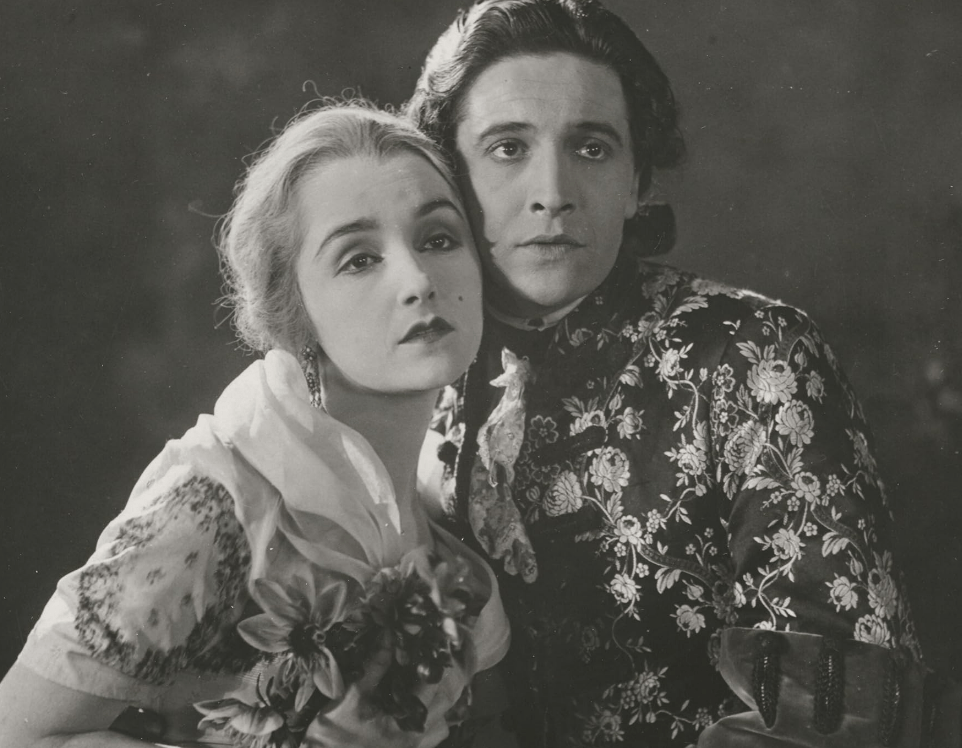
Nina Vanna and Ivor Novello in The Man Without Desire
BIMI’s end of term treat is a rare chance to see one of the outstanding early British silents, The Man Without Desire (1923), shown on 35mm with live piano accompaniment by Costas Fotopoulos. When it opened amid the excitement of Lang’s and Lubitsch’s great post-war films, Adrian Brunel’s first feature was hailed by leading critic C. A. Lejeune as ‘worth all the British Film Weeks put together’. Fifty years later, the normally sceptical Rachael Low praised it as ‘romantic and interestingly made’.
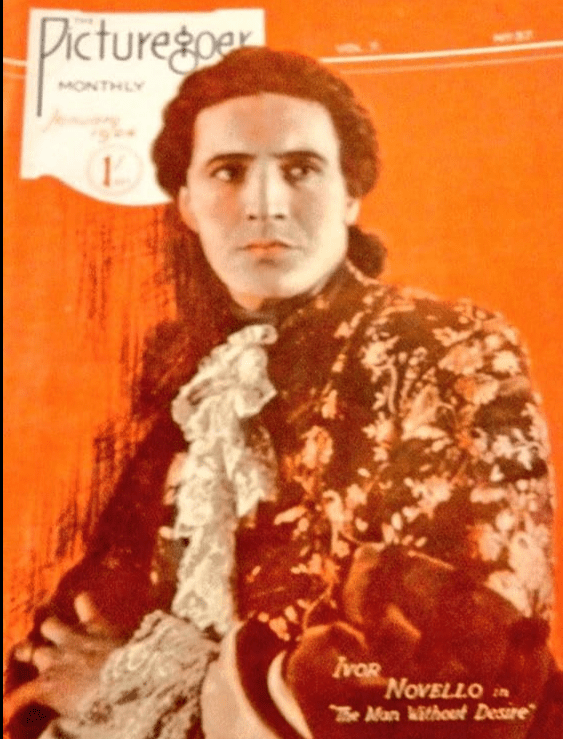
The film’s refined imagery, rare in British cinema of this period, owed much to being filmed on location in Venice and in a Berlin studio. Its cinematographer, Henry Harris, was fresh from working on Gance’s J’accuse, and would later shoot Asquith’s best silents. Above all, it launched Britain’s first authentic movie star, Ivor Novello, in a role ideally suited to his ‘otherworldly beauty and sexual ambiguity’ (Mark Duguid), partnered by Nina Vanna, who would later rejoin Novello in his Triumph of the Rat. Worth noting also that a contributor to the script, Monckton Hoffe, would go on to write Street Angel for Frank Borzage.
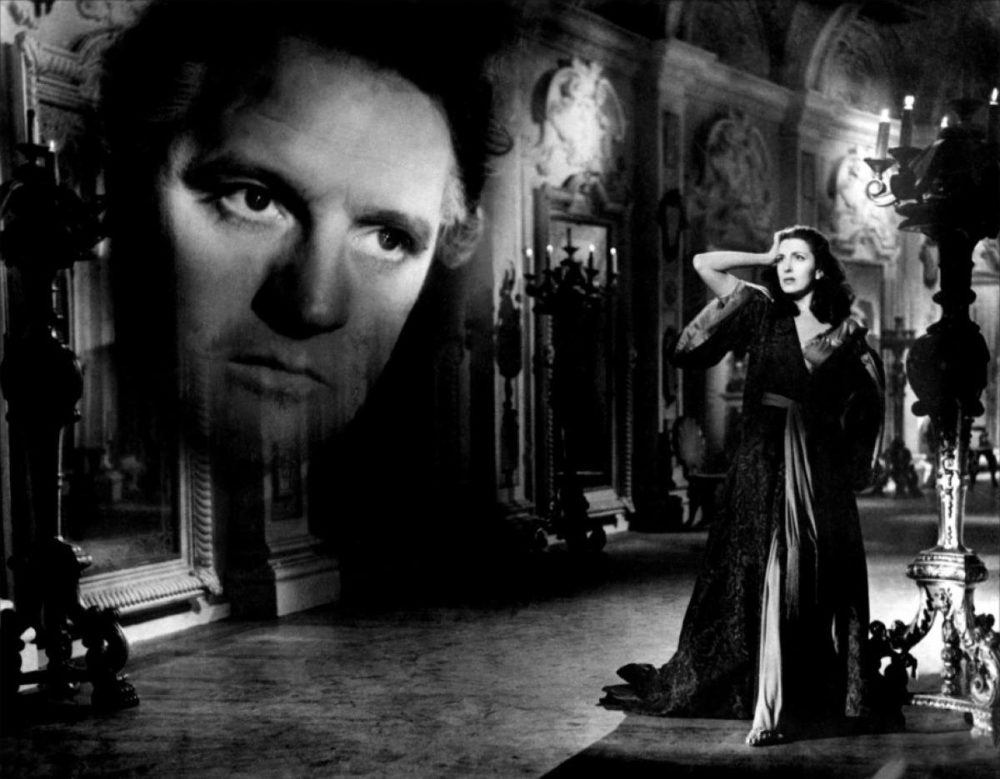
But maybe we should be locating Man Without Desire in Britain’s intermittent Gothic cinema: anticipating another time-travel romance, Terence Young’s Corridor of Mirrors (1948), or the haunted Venice of Nic Roeg’s Don’t Look Now. Sadly, Brunel would never again enjoy the same freedom to follow his instincts and create something ‘rich and strange’.
This screening will be introduced by BFI Archive curator Jo Botting, who recently published Adrian Brunel an British Cinema of the 1920s, subtitled ‘The Artist versus the Moneybags’ (EUP, 2023) And it will include an even rarer screening of Brunel’s satirical take on British filmmaking in the 20s, So This is Jollygood (1925).

 BIMI Presents
Leave a comment